Using unmanned aerial vehicles (UAVs) to inspect industrial sites can reduce the need for scaffolding, rope access and work at height. From surveying refinery pipework to inspecting warehouse roofs and monitoring construction progress, drones allow contractors to gather valuable information while limiting some of the risks associated with traditional inspection methods.
However, flying over an active industrial site presents a different set of challenges from capturing aerial photographs over an open field. Machinery, vehicles, employees, restricted airspace and expensive infrastructure can all affect the risk profile. For contractors undertaking this type of work, UAV Insurance deserves careful consideration before the first flight.
Why Industrial Drone Inspections Present Distinct Risks
Industrial environments can be difficult places to operate a drone. Large steel structures may interfere with signal transmission, while heat, dust, strong airflow and electromagnetic interference can complicate flight planning. Cramped working areas can also leave less room for an emergency landing.
The potential consequences of an incident extend beyond damage to the aircraft. A drone that strikes a rooftop installation, falls onto a vehicle or injures someone working below could create significant third-party liability exposure.
There may also be operational consequences. An incident near a production line, power installation or hazardous process could result in a temporary shutdown while the site is made safe.
Contractors should therefore consider the specific site, the work being undertaken and the potential consequences of an incident when reviewing their insurance requirements.
What Should UAV Insurance Cover?
The appropriate policy depends on how the drone is used, who operates it and the contractual arrangements between the contractor and the site owner. Rather than assuming every policy provides the same protection, operators should examine several areas.
Third-party liability
This is particularly important when flying near employees, members of the public, neighbouring businesses or valuable infrastructure. Contractors should check the limits of indemnity, territorial restrictions and any relevant exclusions. They should also confirm whether the policy meets the liability requirements set out in their client contracts.
Damage to the aircraft
A drone used for specialist inspections may carry thermal cameras, high-resolution sensors or other expensive payloads. Operators should establish whether the policy covers accidental damage to the aircraft and its attached equipment, including during transport and while being prepared for a flight.
Theft and equipment security
Industrial inspections may involve travelling between sites and leaving equipment in vehicles or temporary storage areas. Policy conditions concerning unattended vehicles, approved storage and security measures can be particularly relevant.
Contractual responsibilities
A principal contractor or industrial site owner may require evidence of insurance before permitting flights. Operators should check the required liability limits, policy wording and any additional insured arrangements requested under the contract. A certificate alone may not demonstrate that every contractual requirement has been satisfied.
When Standard Cover May Not Be Enough
The intended use of a drone can materially affect the insurance needed. A contractor carrying out routine roof photography may face a different exposure from a specialist operator inspecting flare stacks, wind turbines or electrical infrastructure.
Additional questions arise when flights take place at night, beyond visual line of sight, close to hazardous installations or in controlled airspace. Such operations may require specific regulatory permissions and additional risk controls. Insurance cover should be checked against the actual operation rather than assumed to extend automatically to every flight scenario.
Operators should also review whether their policy covers subcontracted pilots, hired equipment and work performed outside the UK, where relevant. Any restrictions on pilot qualifications, permitted activities or operating procedures need to be understood before a contract begins.
Connecting Insurance with Flight Planning
Insurance is one part of a wider safety process. Contractors should establish clear procedures for site access, flight authorisation, emergency landings and communication with ground personnel. Pre-flight checks should account for nearby structures, weather conditions, people and any restrictions imposed by the site operator.
Maintaining records of pilot competency, equipment inspections, maintenance and risk assessments can also support sound operational management. These measures do not replace insurance, but they can help demonstrate that the operator has considered the risks associated with the work.
Before accepting a specialist inspection contract, it is sensible to compare the proposed flight plan with the policy’s terms and confirm any uncertainties with the insurer or broker.
Finding Suitable UAV Insurance for Specialist Work
Drone operators working in industrial settings need cover that reflects the realities of their contracts, equipment and operating environments. The cheapest policy may not be the most appropriate if important activities, expensive payloads or contractual liabilities fall outside its scope.
A careful review of UAV Insurance can help contractors identify gaps before they become costly problems. By considering third-party liability, equipment protection, operating restrictions and client requirements together, operators can make more informed decisions about protecting their business while carrying out increasingly specialised aerial work.
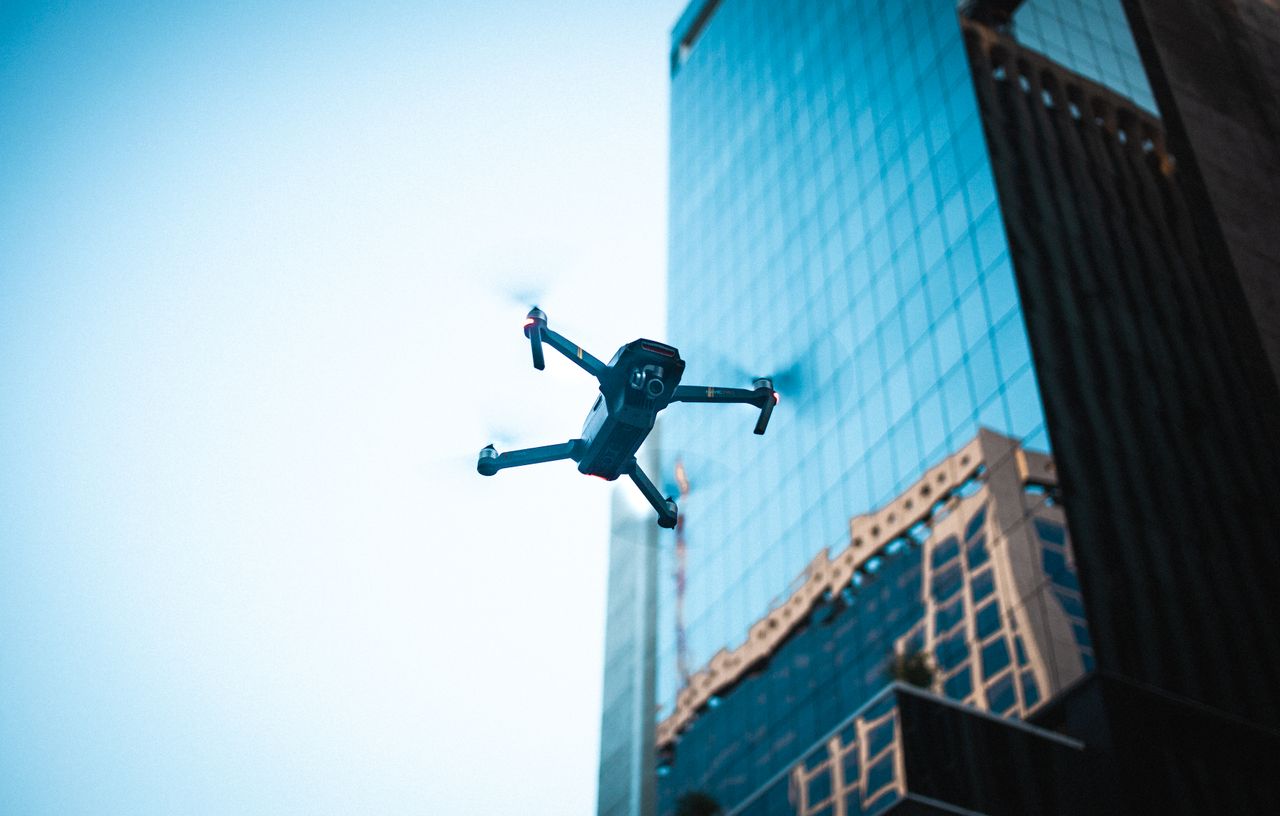
Photo by Deybson Mallony via pexels.