
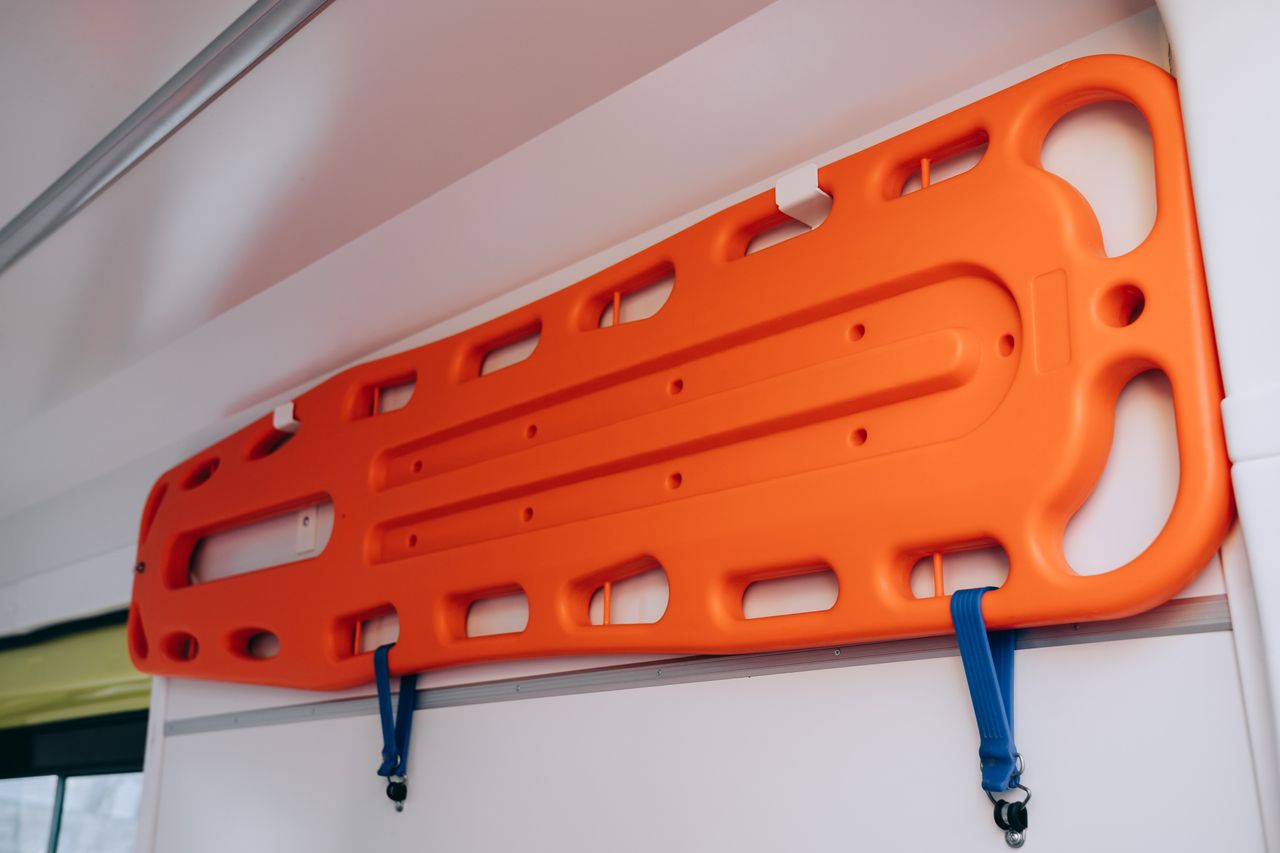
In workplaces, schools and public venues, emergency planning often centres on the obvious elements: alarms, exits, training sessions and worst-case scenarios. The quieter admin behind it all gets less attention. But when equipment lists are vague or out of date, even well-run organisations can lose track of what is actually on site, where it is stored and what it is for.
This matters most with specialist rescue and transfer equipment. Names are often used loosely, and different teams may describe the same item in different ways. One department might log a basket stretcher, another a transfer board, and someone else may just write “backboard” on a spreadsheet. If you are reviewing stock, replacing ageing kit or trying to standardise terminology across several sites, it helps to see how a spinal board is described in product listings and catalogues. Not because a sales page should set policy, but because consistent naming makes audits, procurement and staff communication much easier.
Why terminology matters
Equipment records are not glamorous, but they shape practical decisions. Clear descriptions can help with:
- ordering the right item instead of a similar-looking alternative
- making store cupboards and vehicles easier to check
- reducing muddled handovers between estates, health and safety, and first aid teams
- planning replacement cycles with more sense
There is also a broader point about institutional memory. Staff move on, suppliers change and shorthand builds up over time. A yearly review of equipment names, locations and condition can spot small inconsistencies before they turn into bigger administrative problems. It is hardly the most exciting part of preparedness, but it is often the part that lets the rest work properly.
Featured image by Mikhail Nilov via pexels